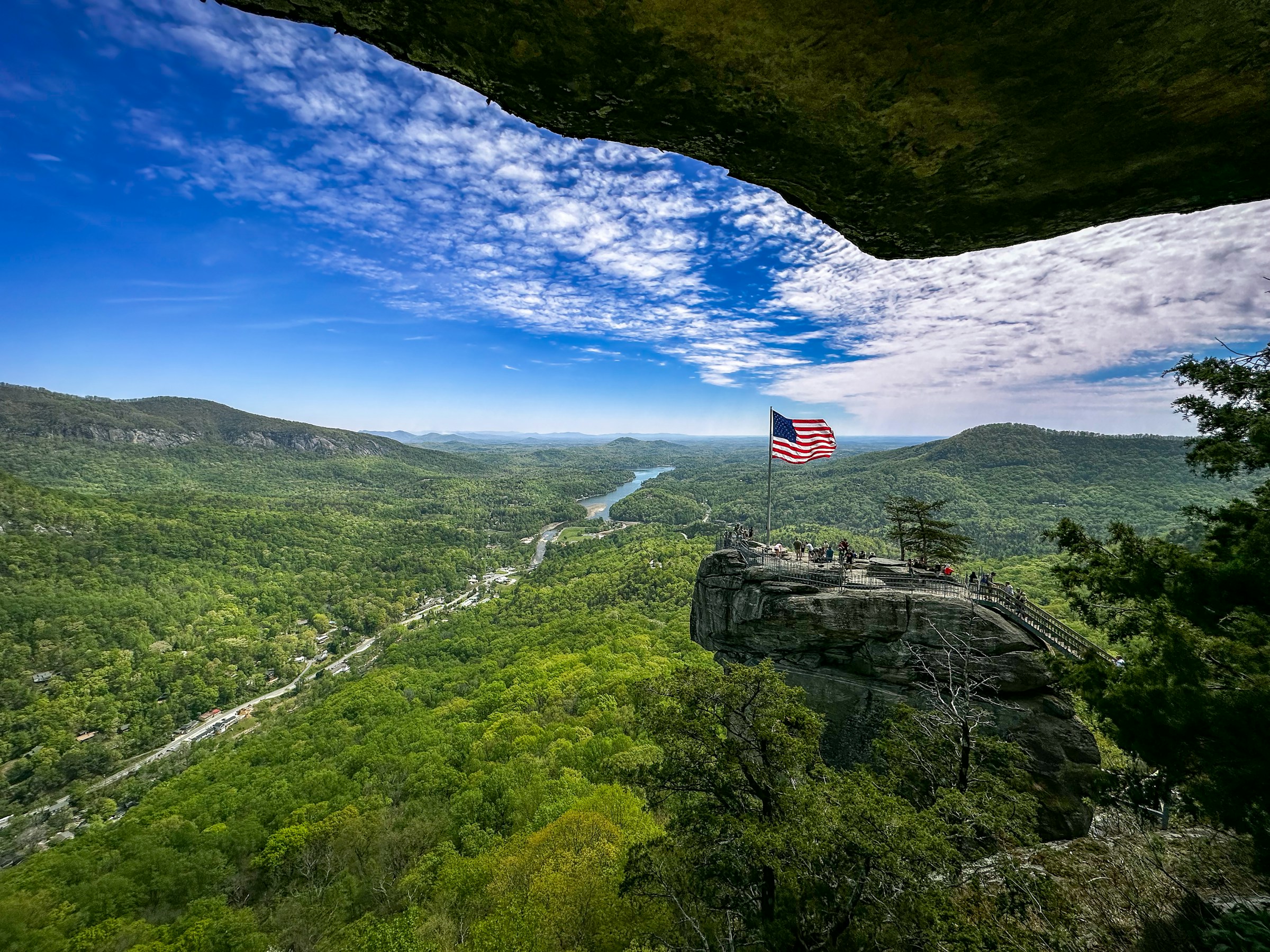
National Parks offer some of the most stunning natural scenery, wildlife, and outdoor trip opportunities. I made this site to highlight a few of the most iconic parks and what makes them unique, from "natural formations" to "conservation efforts".Take your time exploring the site, and feel free to share your own park stories or tips, I'd love to hear them!
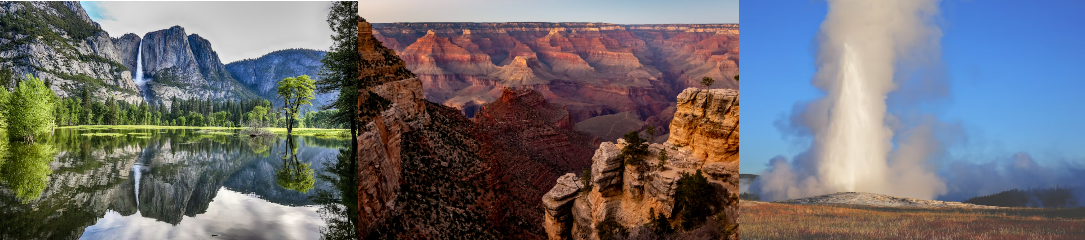
From the towering granite cliffs of Yosemite to the colorful geothermal features of Yellowstone, each national park offers its own unforgettable experience. These protected lands are home to a wide variety of ecosystems and rare species, making them vital not only for recreation but also for preserving the biodiversity of nature.
Whether you want to plan your first visit or you like to go hike sometimes, I hope you'll find some helpful information, beautiful photos, or content to inspire you to go out and explore the wild. For questions or suggestions, contact me at sabirs229@macomb.edu.
These parks offer unique ecosystems, geological wonders, and activities like hiking, camping, and wildlife watching. They are treasures worth protecting and exploring.
Some of the most famous national parks include:
Yellowstone National Park - Known for geysers like Old Faithful and abundant wildlife.
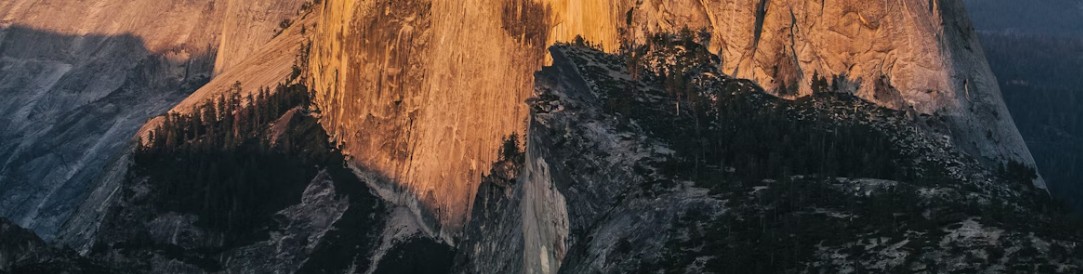
Yosemite National Park - Features dramatic granite cliffs, waterfalls, and giant sequoias.
Grand Canyon National Park - Famous for its immense size and colorful rock layers.
Listen to this brief audio tour overview of what makes U.S. parks unique:
More Info:
National Parks protect a variety of nature site's including mountains, canyons, lakes, and forests. These areas are often home to endangered species and rare habitats that make them ecologically significant. For example, the towering mountains, canyons, lake, and ancient forests, these protected areas showcase the beauty and diversity of nature. Each park offers unique geological features formed over millions of years such as the colorful hot springs in Yellowstone, the granite cliffs of Yosemite, or the sculpted rock formations of Arches and Bryce Canyon. These natural wonders not only inspire awe and adventure but also play a critical role in environmental education and scientific research. They provide opportunities to study Earth's history, climate patterns, and ecosystems, offering insight into how the planet has evolved and how we can protect it moving forward. In addition to their beautiful scenery, National Parks serve as a sanctuaries for wildlife, many of which are endangered or threatened because of human activities and climate change. These parks are home to a wide variety of species, including bears, wolves, elk, bison, bald eagles, and countless plant and insect varieties. By preserving their natural habitats, parks help prevent extinction and maintain biodiversity. Visitors may witness animals in their natural environments, which fosters respect for conservation efforts and the delicate balance of ecosystems. The protection of these spaces ensures that both current and future generations can experience the richness of the wild.
Tips for Preparing Before Your National Park Visit
Before heading to a national park, preparation is key for both safety and enjoyment. Always check the weather forecast ahead of time, as park climate's in areas like the mountains, forests, and deserts can change rapidly. For thoes reasons you should pack essential items such as:
Plenty of water and high-energy snacks or meals
A first-aid kit, sunscreen, insect repellent, and a flashlight
Maps (both digital and printed, since cell service may be limited)
Layered clothing and sturdy hiking shoes
It's also wise to download offline maps and let someone know your travel plans and expected return time Popular apps like Google maps and MAPS.ME allow people to download both maps and know safe travel trails all over National Parks. If you're planning to camp or hike in the backcountry, research permits or reservation requirements. Finally, check the park's official website or stop by a visitor center for alerts, closures, or possible forest fires before starting the visit.
Tips for Visiting Responsibly While in the Park
Once inside the park, following the "Leave No Trace" principles helps protect the environment for future generations. This includes:
Taking only photos and leaving only footprints
Packing out all trash, even biodegradable items
Staying on marked trails to preserve fragile habitats
Respecting wildlife by not feeding or approaching them
Always obey posted signs, trail rules, and ranger instructions. Keep noise levels down to preserve the park's tranquility and avoid disturbing wildlife. Leave natural objects like rocks and flowers untouched, and never remove cultural artifacts that may be found around the site. These small actions ensure a safe, respectful, and memorable park experience for everyone.
Contact
Elements
Text
This is bold and this is strong. This is italic and this is emphasized.
This is superscript text and this is subscript text.
This is underlined and this is code: for (;;) { ... }. Finally, this is a link.
Heading Level 2
Heading Level 3
Heading Level 4
Heading Level 5
Heading Level 6
Blockquote
Fringilla nisl. Donec accumsan interdum nisi, quis tincidunt felis sagittis eget tempus euismod. Vestibulum ante ipsum primis in faucibus vestibulum. Blandit adipiscing eu felis iaculis volutpat ac adipiscing accumsan faucibus. Vestibulum ante ipsum primis in faucibus lorem ipsum dolor sit amet nullam adipiscing eu felis.
Preformatted
i = 0;

while (!deck.isInOrder()) {
    print 'Iteration ' + i;
    deck.shuffle();
    i++;
}

print 'It took ' + i + ' iterations to sort the deck.';